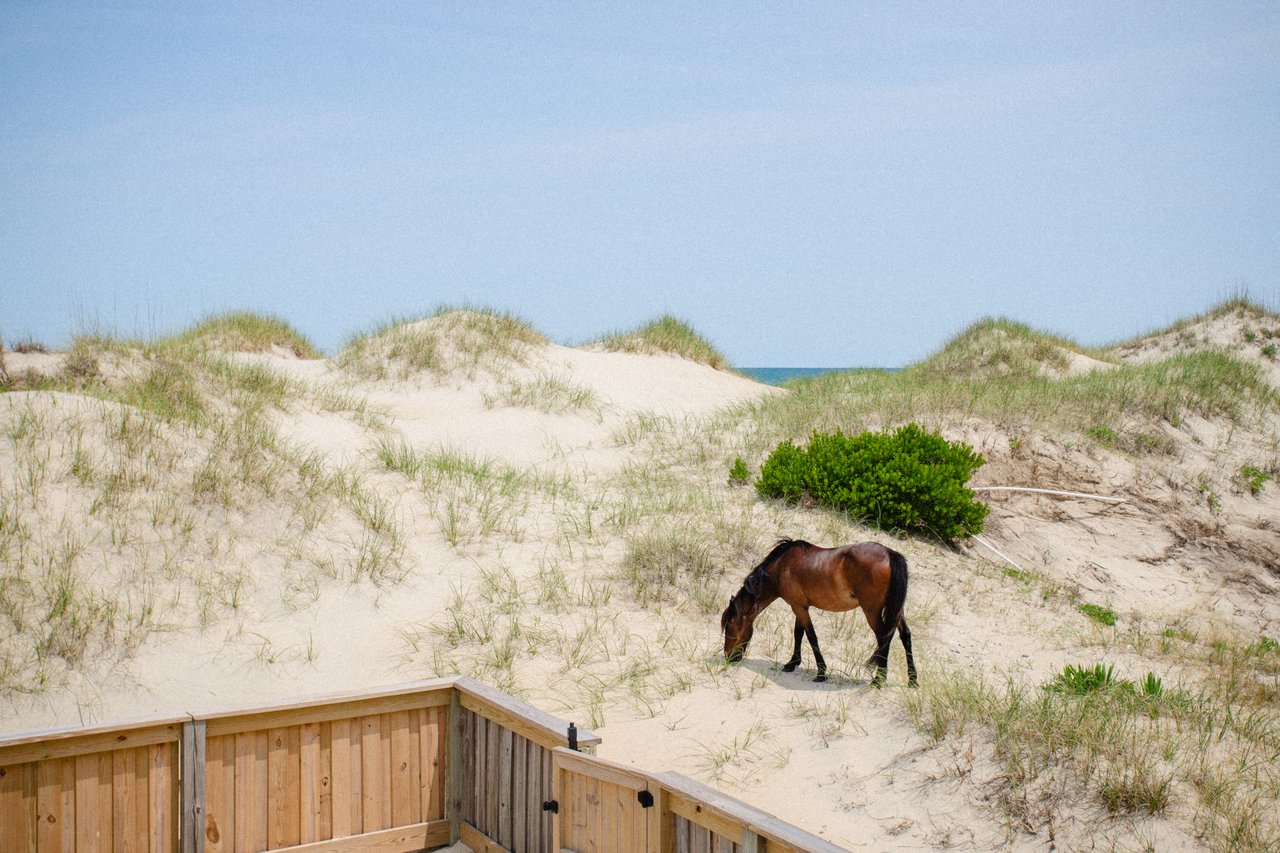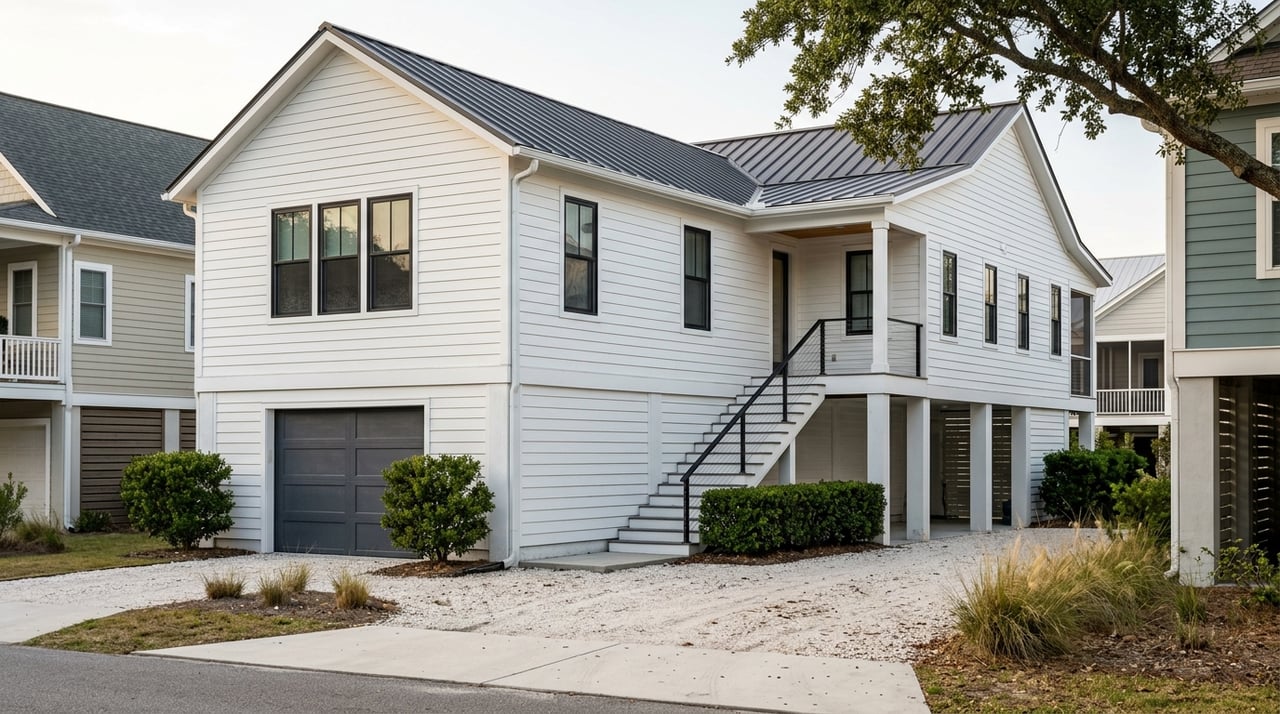
Buying on the Outer Banks can feel simple at first glance until you realize each town solves a different problem. If you are just starting your search, Kitty Hawk gives you a practical place to get your bearings because it combines beach access, year-round residential areas, seasonal demand, and clear coastal due-diligence issues in one compact market. By starting here, you can sharpen your budget, define your lifestyle priorities, and ask smarter questions before you narrow in on a specific home. Let’s dive in.
Why start in Kitty Hawk
Kitty Hawk is a useful starting point because it sits in the middle of several key northern Outer Banks communities. According to the Town of Kitty Hawk’s statistical and demographic data, the town lies between Southern Shores and Kill Devil Hills and is accessed by US 64, US 17, US 158, and NC 12. That central position makes it easier to compare what you want in a home before expanding your search.
It is also a manageable market to study. The town reports 8.2 square miles of land, about 10.7 miles of shoreline, and elevations ranging from 4 to 38 feet above mean sea level. In a coastal market, those physical details matter because they influence access, flood exposure, views, and how a property functions over time.
Kitty Hawk is small in permanent population, but not small in day-to-day seasonal activity. The town’s data shows a permanent population of 3,689 in the 2020 Census, while its adopted land-use plan estimates about 8,500 guests during peak season and nearly 12,200 people on a typical high-season day. That contrast helps you understand one of the biggest Outer Banks realities early: the market can feel very different depending on whether you are shopping for year-round living, a second home, or a property with seasonal rental appeal.
What Kitty Hawk teaches you fast
One reason Kitty Hawk works so well as a starting point is that it gives you a clear view of the tradeoffs buyers face on the Outer Banks. You can compare a beach-oriented setting with a more residential setting without leaving town. That makes it easier to decide what matters most to you before you start touring homes across multiple communities.
The town zoning map page and adopted land-use plan describe three broad areas buyers often think about: beach zones, village zones, and Kitty Hawk Woods. Most commercial businesses are along US 158, while smaller-scale businesses are found along NC 12 and Kitty Hawk Road, and town services and parks cluster in Kitty Hawk Village. In practical terms, that means different parts of Kitty Hawk offer different day-to-day experiences.
The land-use plan describes Kitty Hawk Beach as mostly seasonally occupied, with detached homes and some attached homes. Kitty Hawk Village is described as more year-round, with mainly single-family homes and fewer attached units. If you are unsure whether you want a beach-focused home base or something that feels more residential in daily use, Kitty Hawk lets you compare both patterns clearly.
Housing types and budget signals
Kitty Hawk also gives you a strong first read on housing inventory and product mix. The adopted land-use plan says the town had 3,582 housing units in 2020, with 70% single-family homes, 2.1% townhomes, 6.4% duplexes, 3.4% triplexes or quads, 16% apartments, and 2.1% mobile homes or other. For a buyer, that tells you this is primarily a single-family market, but not exclusively so.
Occupancy patterns matter just as much as housing type. The same plan reports that 40% of units were owner-occupied, 9% renter-occupied, and 51% vacant, with 465 units available for long-term rental and 1,515 used for seasonal, short-term rental, or recreational purposes. That is a strong sign that Kitty Hawk is not just a primary-residence market. It has a meaningful second-home and seasonal-use footprint.
This is helpful when you are setting expectations. If your goal is full-time living, you may prioritize village-oriented areas, access to everyday services, and homes that fit year-round ownership patterns. If your goal is a second home or a vacation-oriented property, you may think more about beach access, seasonal demand, and operating costs.
Why price headlines can mislead
If you have already looked online, you have probably seen very different price numbers for Kitty Hawk. That is normal, and it is one of the best reasons to begin your home search with a local strategy instead of relying on one headline metric.
Census Reporter’s Kitty Hawk profile shows a median value of owner-occupied housing units of $535,000 in the ACS 2024 five-year estimate. That same source is useful for broad context, but it does not replace property-specific pricing. In a market with varied home types, locations, and seasonal use patterns, broad numbers only go so far.
The bigger lesson is simple: in Kitty Hawk, price expectations should be set by property type, location, and current comparable sales, not by one average or median number. A beach-area cottage, a village home, and a property near conservation land may all serve very different goals and carry different cost structures. Starting your search here helps you learn how to read those differences early.
Compare lifestyles within one town
A smart home search is not just about price. It is also about how you want to use the property and what kind of daily rhythm fits your life.
Kitty Hawk gives you several lifestyle patterns to compare. The town highlights public beach accesses, parking, restrooms, seasonal lifeguards, sound access, parks, bikeways, and recreation sites. If being close to the ocean and public access matters most, those features may move to the top of your list.
The same town resource also points to the Kitty Hawk Woods Preserve, which the town says covers 1,877.2 acres of maritime deciduous swamp, forest, and marsh. For some buyers, that conservation setting creates a very different appeal than a beach block location. It may shape what you value in privacy, scenery, and proximity to outdoor space.
This is where Kitty Hawk becomes especially useful. You can ask yourself practical questions such as:
- Do you want easier beach access or a more residential setting?
- Do you expect to use the home year-round or mainly in season?
- Do you want a property near everyday services along US 158?
- Would you rather be near open conservation areas or in a more beach-oriented environment?
Those answers can guide your next move, whether you stay focused on Kitty Hawk or begin comparing it with nearby towns.
Start due diligence early
On the Outer Banks, a home search should not start and end with photos, price, and square footage. Kitty Hawk is a good place to build better habits because the town is clear about coastal risks and permitting considerations.
According to the town’s flood information page, Kitty Hawk is on a barrier island and most of its land is within a Special Flood Hazard Area. The page identifies Nor’easters, hurricanes, flooding, and coastal erosion as major hazards. For buyers, that means flood risk is not a side topic. It is part of the main conversation from the beginning.
The town also directs buyers to flood-zone review, elevation certificates, and its public flood-risk portal. Dare County participates in the National Flood Insurance Program and the Community Rating System, which is useful context as you evaluate insurance and ownership costs. If you are comparing several homes, this is one of the clearest places where a disciplined process can save you time and prevent surprises.
Permits and future plans matter too
If you are thinking beyond the purchase itself, permitting should be part of your early checklist. The town’s flood and coastal information notes that work in oceanfront, estuarine shoreline, and soundside areas often requires CAMA permits. That matters if you are considering updates, additions, site work, or long-term improvement plans.
The adopted land-use plan also notes that beach nourishment follows a five-year maintenance cycle and that resiliency, floodplains, marshes, and wetlands are central planning concerns. In plain terms, coastal property ownership here comes with an environmental and regulatory context that deserves attention. You do not need to be intimidated by that, but you do want to understand it before you commit.
A good early due-diligence checklist in Kitty Hawk includes:
- Is the home beach-side, village-side, or near Kitty Hawk Woods?
- Will you use it as a primary residence, second home, or seasonal property?
- What flood zone applies to the property?
- Is an elevation certificate available?
- What insurance and maintenance costs should you expect?
- Could future improvements require town review or CAMA permits?
These are the same kinds of questions that help buyers across the Outer Banks, which is why Kitty Hawk works so well as your starting point.
Use Kitty Hawk as your baseline
The best reason to start your Outer Banks home search in Kitty Hawk is not that it has one perfect answer. It is that it gives you a solid baseline for the questions that matter most. You can compare location patterns, housing types, seasonal demand, and coastal risk in a single town before making a bigger decision.
That kind of clarity is valuable whether you are buying a year-round residence, a second home, or a property you plan to hold for personal use over time. Kitty Hawk helps you define your budget more realistically, narrow your must-haves, and approach the next step with better context. In a market where details matter, starting with a town that shows those details clearly is a smart move.
If you want help turning that early research into a focused search plan, Jason Summerton can help you evaluate location, property type, and the due-diligence issues that matter most on the northern Outer Banks.
FAQs
What makes Kitty Hawk a good starting point for an Outer Banks home search?
- Kitty Hawk offers a compact market with beach areas, year-round residential areas, seasonal demand, and clear flood and permitting considerations, which makes it a practical place to compare priorities before narrowing your search.
What types of homes are common in Kitty Hawk, North Carolina?
- According to the town’s adopted land-use plan, Kitty Hawk’s housing stock is mostly single-family homes, with smaller shares of townhomes, duplexes, triplexes or quads, apartments, and mobile homes or other housing types.
What should buyers know about flood risk in Kitty Hawk?
- The town says most of Kitty Hawk is within a Special Flood Hazard Area, so buyers should review flood zones, elevation certificates, insurance expectations, and coastal hazards early in the process.
How does Kitty Hawk help buyers compare different Outer Banks lifestyles?
- Kitty Hawk lets you compare beach-oriented areas, more year-round village settings, and conservation-adjacent areas near Kitty Hawk Woods, all within one town.
What due-diligence questions matter most when buying in Kitty Hawk?
- Early questions should include how you plan to use the property, what flood zone applies, whether an elevation certificate is available, what insurance and maintenance costs may look like, and whether future improvements could require town or CAMA review.