Thinking about living where your driveway is the beach? Carova Beach offers a remote, 4x4-only slice of the Outer Banks that feels a world away from town. If you love privacy, wild coastline, and a rustic pace, it can be a perfect fit. In this guide, you’ll learn how access works, what daily life looks like, the rules you need to follow, and the costs to plan for. Let’s dive in.
Carova Beach at a glance
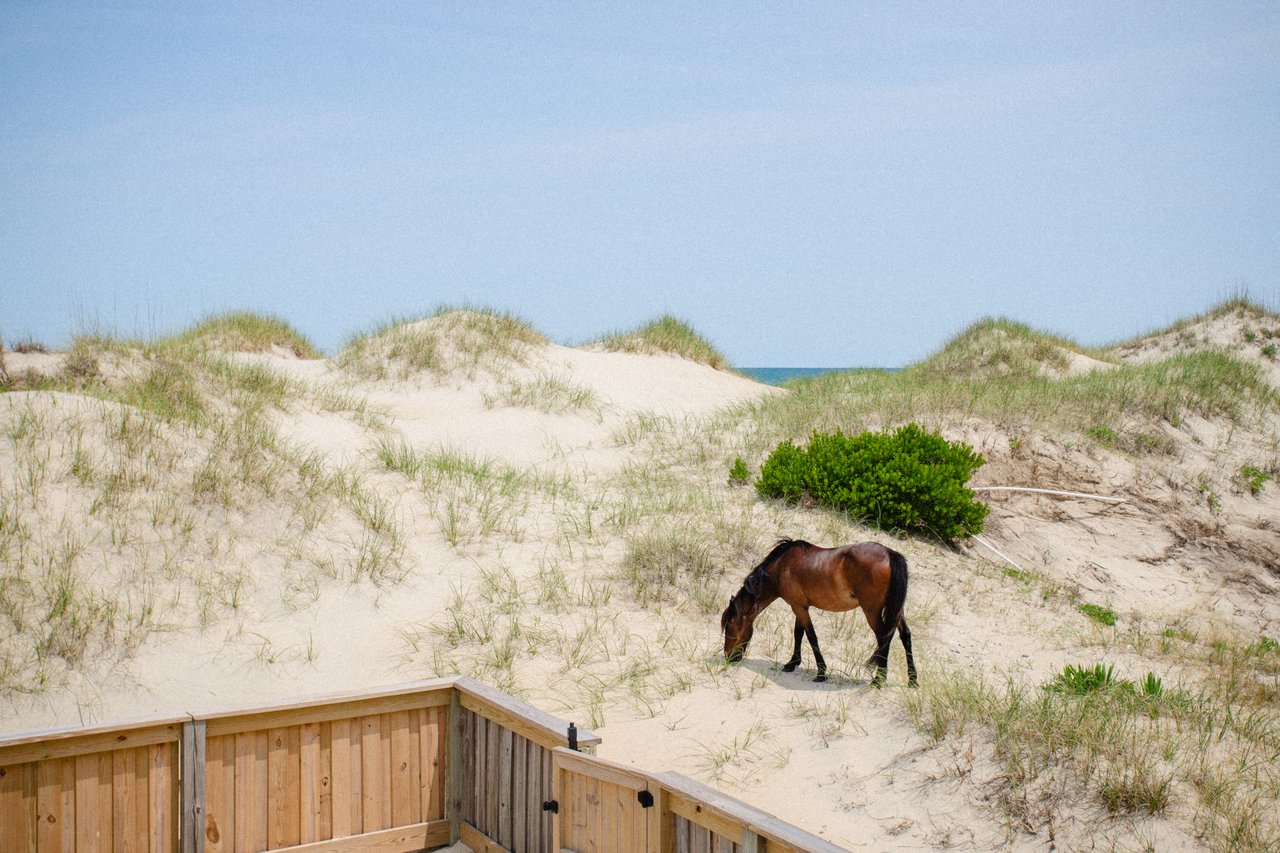
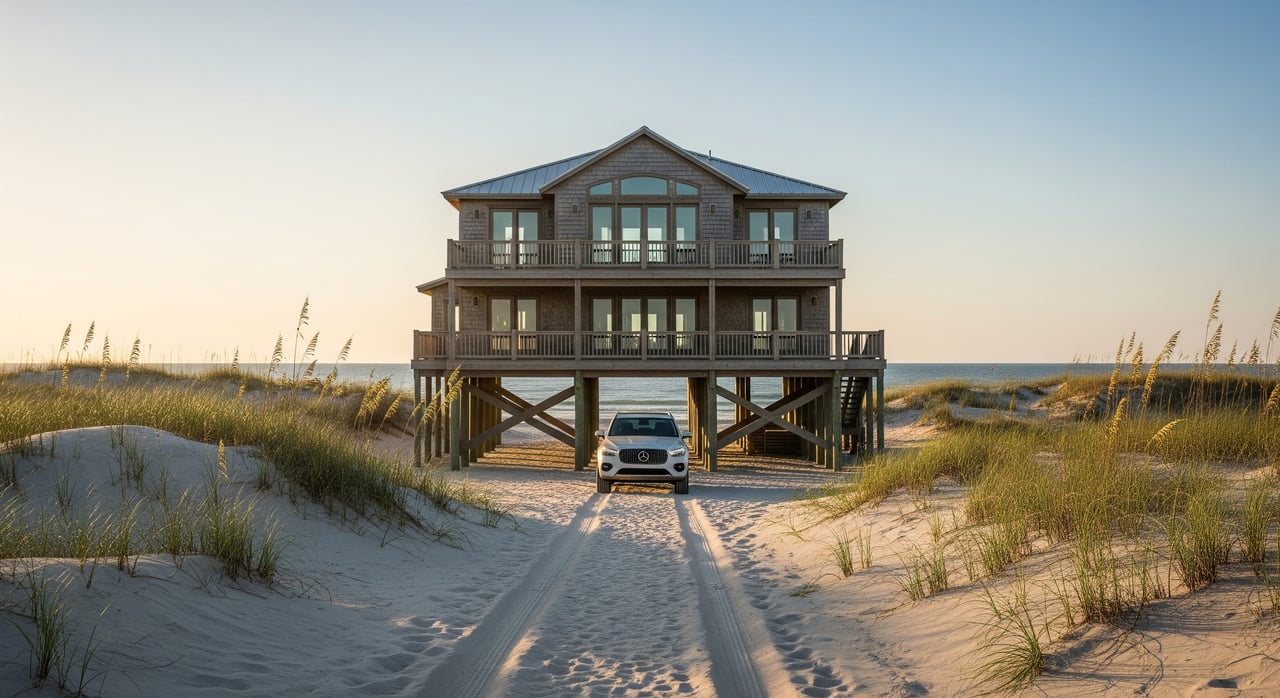
Carova Beach sits at the northern tip of Currituck County. There are no paved roads to most homes, and the beach itself is your primary route in and out. You trade convenience for seclusion, ocean views, and the chance to see wild Banker horses roaming the dunes.
Life here centers on recreation and quiet. Many owners use homes seasonally or as vacation rentals. If you value privacy and can handle a little extra planning, you’ll find the lifestyle rewarding.
Getting there by 4x4
Vehicle basics you need
You need a true four-wheel-drive vehicle with good ground clearance. Full-size SUVs and pickups are common. Keep recovery gear in your vehicle every trip. A practical kit includes:
- Shovel, tow strap or kinetic rope, rated shackles, and traction boards
- Portable air compressor and tire gauge
- Jack suitable for sand and a full-size spare
- Extra water, fuel, and a first-aid kit
Tire pressure and tides
Lower your tire pressure before entering the sand. Many owners start around 15 to 20 psi, then adjust based on load and conditions. Reinflate before returning to paved roads.
Tides matter. High tide can narrow the drivable beach or cut off access. Check tide charts and give yourself a buffer, especially during strong winds or storm surge.
Driving rules and seasons
Beach driving is regulated locally. Rules can change with seasons, nesting activity, and weather. Follow posted speed limits, closures, and signage. Watch for pedestrians, children, dogs, birds, and horses. In winter and during nor’easters, conditions can deteriorate and make routes impassable for days.
Daily life and logistics
Utilities and internet
Most homes rely on private wells and septic systems. Electricity is generally available but can be vulnerable during storms. Many owners keep backup generators. Cell coverage is spotty in places, and internet options may include satellite, fixed wireless, or boosters. Plan for simpler connectivity than you may be used to in town.
Mail, packages, and trash
Mail delivery varies and may use centralized locations off the beach. Some carriers do not deliver on sand, so package pickup in Corolla or at mainland drop points is common. Trash collection is typically private service. Secure cans to avoid wildlife issues and coordinate schedules, especially for rentals.
Supplies and services
Groceries, fuel, hardware, and medical services are primarily in Corolla and on the mainland. Plan trips and stock up. Local 4x4 towing and recovery providers operate in the area, but response times can be longer and costs higher than in town. Save their contact info before you need it.
Guests, rentals, and showings
Setting guest expectations
Many Carova homes are vacation rentals. If you plan to rent, your listing should clearly state the 4x4 requirement, tire deflation expectations, and tide timing. Provide written arrival instructions, driving tips, and emergency contacts. For guests without a 4x4, consider shuttle options or off-site parking with pickup.
Permits and liability
Confirm required beach driving permits and parking rules, and use clear disclosures in rental agreements. Speak with your insurance provider about coverage for rental activity and any additional protections you may need.
Buyer showings
Showings are best scheduled near low tide and in daylight. Agents and buyers should travel with recovery gear and a tide plan. Build in extra time for beach driving and possible delays.
Safety, wildlife, and rules
Carova is home to wild Banker horses. Never approach, feed, or harass them, and keep a safe distance at all times. Secure your trash to avoid attracting animals.
Sea turtle nesting season typically runs from late spring into fall. Follow lighting rules and avoid marked nests. Respect closures that protect shorebirds and habitats. Always follow local ordinances for beach driving, dogs, camping, and fires.
Storms, flood risk, and insurance
This is a high-exposure coastal area. Many properties sit in FEMA flood zones such as AE or V. Elevated homes on pilings are standard, but storms can still cause damage and complicate access.
Budget for flood insurance alongside wind and windstorm coverage. Get preliminary quotes early in your search and review a home’s flood zone designation before you go under contract.
Costs and maintenance
Salt, wind, and shifting sand take a toll. Expect higher maintenance for siding, windows, decks, and mechanical systems. Septic upkeep, generator fuel, and travel surcharges for contractors can add to annual costs. If you live out of market, a property manager can streamline cleaning, maintenance, guest turnover, and compliance.
Buyer due diligence checklist
Use this list to move from curiosity to confident ownership:
- Access and timing: Verify preferred access routes and typical tide windows from the seller or manager.
- Utilities: Confirm well and septic details, recent inspections, and service records.
- Internet and cell: Check current providers, speeds, and equipment needed.
- Flood and wind: Obtain the property’s FEMA flood zone and get insurance quotes.
- Local rules: Review beach driving ordinances, wildlife protections, and any HOA covenants.
- Rental performance: If investing, ask for rental history, occupancy patterns, and feedback related to access.
- Contractors and services: Confirm who services the home, their beach access capability, and travel surcharges.
Is Carova right for you?
If you want privacy, ocean access, and a back-to-basics rhythm, Carova can be special. You do need comfort with planning around tides, managing 4x4 logistics, and budgeting for higher maintenance. For many owners and guests, the trade-offs are worth it.
If you are weighing rental income, the niche nature of the market can work in your favor with the right staging, guest education, and local support. A clear plan and seasoned guidance reduce friction from offer to operations.
Ready to explore properties and logistics in detail? Connect with Jason Summerton for end-to-end guidance, from site selection and permitting to builder, lender, and management coordination.
FAQs
Do you really need a 4x4 to live in Carova Beach?
- Yes. For reliable, routine access on sand, a true four-wheel-drive vehicle with good ground clearance is essential.
How should first-time visitors plan for tides and travel?
- Check tide charts and aim for lower tides, lower your tire pressure before entering the sand, and build in extra time for changing conditions.
What utilities and internet can Carova Beach owners expect?
- Many homes use private wells and septic systems, power can be storm vulnerable, and internet options may include satellite, fixed wireless, or boosters.
How can guests reach a rental if they lack a 4x4 vehicle?
- Options include renting a 4x4, using shuttle services, arranging off-site parking with pickup, or setting clear arrival windows based on tides.
What are the key wildlife rules for Carova Beach?
- Do not approach or feed wild horses, follow turtle-friendly lighting and avoid marked nests, and respect posted habitat closures.
What insurance should buyers consider for Carova Beach homes?
- Flood insurance is crucial along with wind and windstorm coverage; obtain quotes early and review the home’s FEMA flood zone.