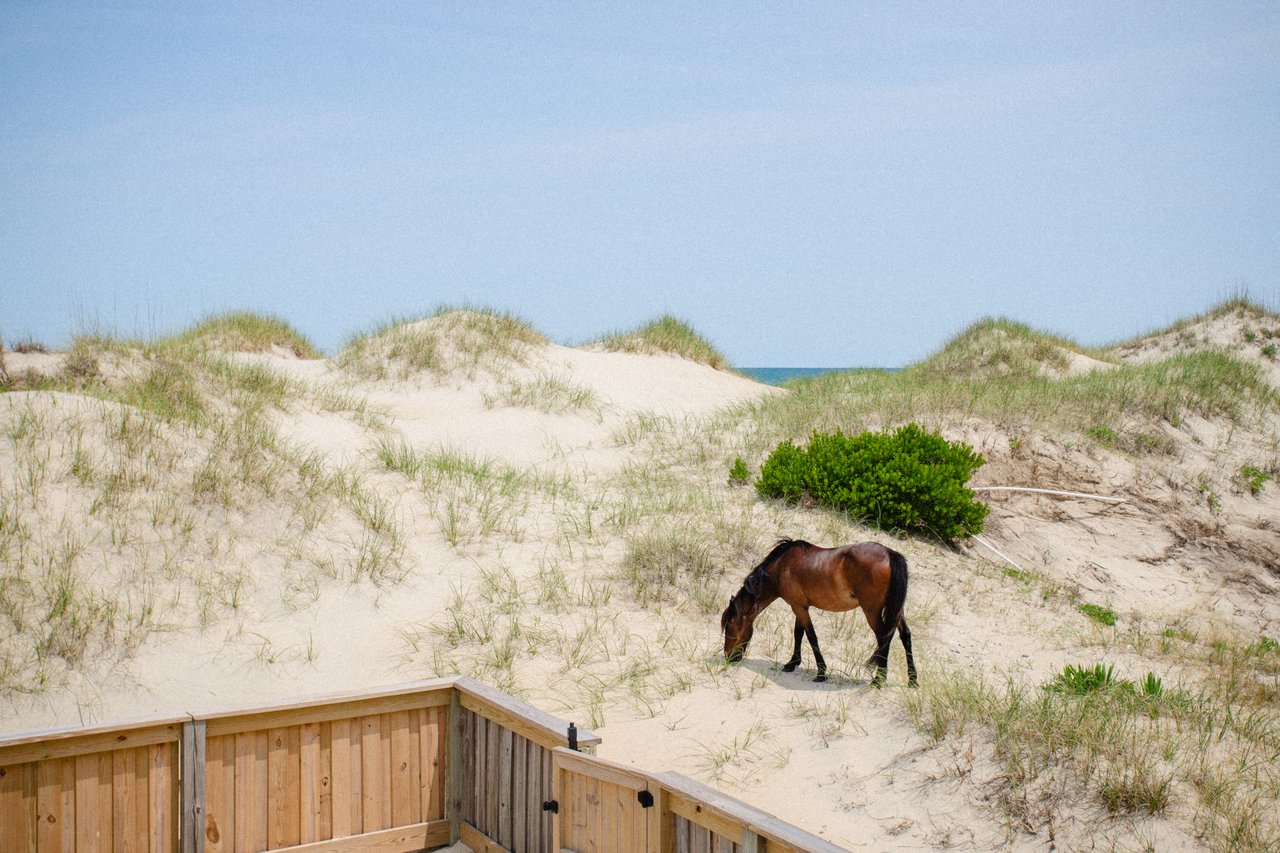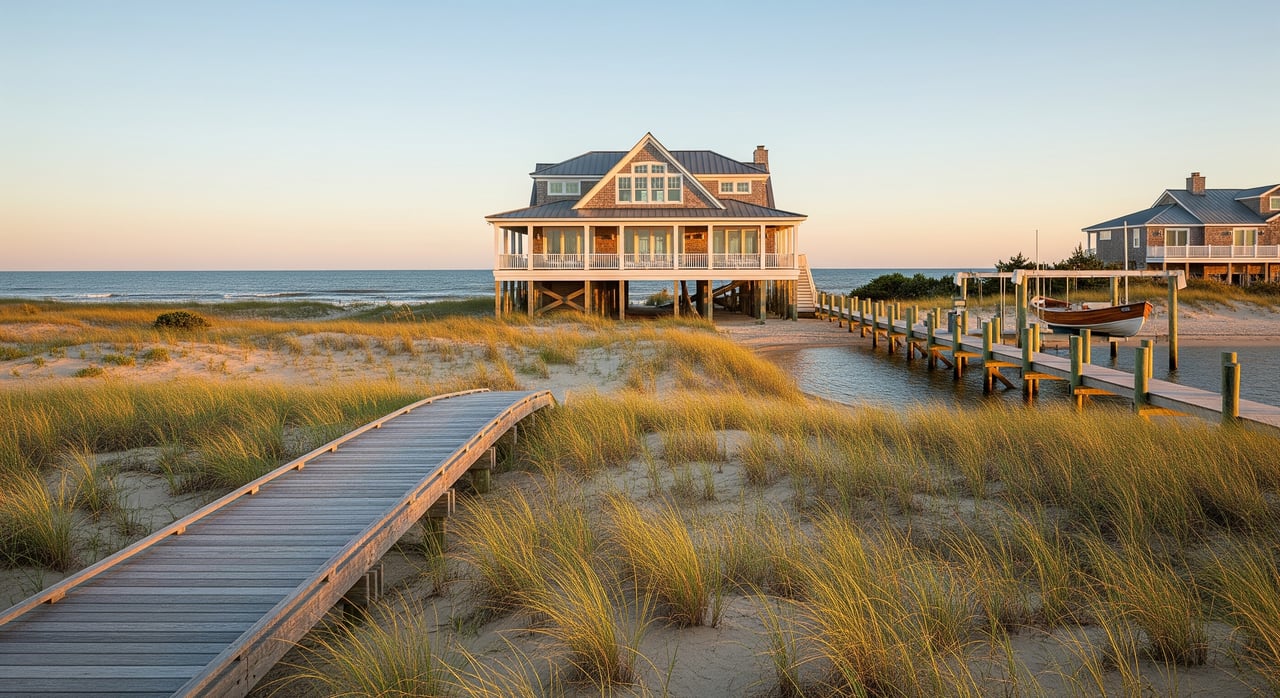
Sunrise over the Atlantic or sunset across the sound — which feels more like home to you? If you are torn between oceanside and soundside living in Kitty Hawk, you are not alone. Each side offers a distinct rhythm, from surf and sea breeze to calm coves and quiet docks. In this guide, you will learn how daily access, recreation, maintenance, insurance, and local rules differ, so you can choose the fit that matches your lifestyle and long-term goals. Let’s dive in.
Oceanside lifestyle at a glance
Daily rhythm and views
You wake up to open Atlantic horizons and steady sea breezes. The beach and dunes set the tone, with morning light and the sound of surf shaping your day. Streets often run east to west, so you can reach the sand by foot or a short drive. Expect more wind exposure and a bit more salt in the air on exterior surfaces.
Recreation highlights
Oceanside days center on surfing, bodyboarding, beachcombing, and ocean fishing. Swimming is in surf conditions, and rip currents can be a hazard when seas are up. You can also enjoy pier fishing and long walks on the dune-backed shoreline. During sea turtle nesting season, nighttime lighting on the ocean side is subject to protection rules.
Access and amenities
Public trust rules make ocean beaches usable below the mean high-tide line, with access via public walkovers, street ends, and pier or parking areas where available. Lifeguard coverage varies by season and by location, so plan ahead each summer. Many ocean-facing eateries and tourist spots cluster along the main corridors, putting you close to a beach-first social scene.
Soundside lifestyle at a glance
Daily rhythm and views
On the sound side, the water is calmer and shallower, with marshes and estuaries full of birdlife. Evenings bring broad, colorful sunsets across Currituck Sound. Neighborhoods can feel more sheltered, and you may find larger lots in some areas. Expect quieter nights and a bit more protection from ocean winds.
Recreation highlights
Soundside living suits kayaking, paddleboarding, and inshore fishing for species like trout, flounder, and red drum. Many days are ideal for relaxed boating and crabbing, and water entry can be more forgiving in the right spots. Launching is often through community docks, public ramps, small marinas, or private piers.
Access and amenities
If you own a boat or paddlecraft, you will appreciate shorter trips to ramps and marinas. Neighborhood dining on the sound can lean toward seafood-centric and low-key. Mosquitoes and seasonal insects are part of the marsh environment, so plan for screening and smart yard habits in warmer months.
Getting around and regional access
Kitty Hawk sits on a barrier island with highway links that run north and south, and connections to the mainland by bridge. Summer traffic can slow travel, especially during peak check-in days. For many buyers and visitors, the nearest major airport is in Norfolk, Virginia, with larger regional airports farther inland. Off-island errands are straightforward most of the year, but plan extra time in high season.
Property types and site features
Oceanside characteristics
You will see elevated homes on pilings, dune lots, and oceanfront properties with direct beach paths. These sites bring the prize of ocean views and proximity to the sand. They also experience more salt spray and wind, which can increase exterior wear and maintenance budgets.
Soundside characteristics
Soundside homes may offer larger parcels in some pockets, with options for private docks or boathouses where permitted. Water depth, channel access, and marsh proximity all matter if boating is a priority. Flood risk varies by parcel elevation and location along coves or low-lying edges.
Rental potential and value
Oceanfront and near-ocean locations often command premium pricing and strong short-term rental demand because of direct beach access and ocean views. Soundside rentals can perform well with guests who value boating, calm-water access, and sunsets, though peak nightly rates may trail the top-tier oceanfront homes. Always compare recent market data for rental performance and buyer demand before you invest.
Insurance, flood, and maintenance
Both sides of Kitty Hawk face coastal storms and hurricanes. Oceanside properties stand up to direct ocean waves and wind-driven spray, while soundside properties can see storm surge from the sound during major events. Your flood risk is parcel specific and shaped by FEMA flood zones, base flood elevation, and the home’s elevation and flood openings. Expect to compare wind and hurricane coverage, and consider both NFIP and private flood options where applicable. Salt air accelerates wear on decks, fasteners, HVAC, and appliances, so plan a realistic maintenance budget.
Rules, permits, and protections
Coastal regulations overview
Development in Kitty Hawk and the surrounding Outer Banks is regulated at the federal, state, county, and town levels. The North Carolina Coastal Area Management framework and local ordinances define setbacks, dune and marsh protections, and permit requirements. New builds, major renovations, and shoreline work such as docks, bulkheads, or dune walkovers often require approvals.
Lighting, dunes, and wildlife
Sea turtle nesting season brings ocean-side lighting rules that protect hatchlings. Dune systems are protected, and shoreline stabilization has limits or special review. On the sound side, marsh and estuary areas are environmentally sensitive, and certain improvements may require state coastal permits.
Utilities and septic planning
Service availability varies. Some properties use municipal water and sewer, while others rely on wells and septic systems. Before you buy, review septic suitability, capacity, and maintenance records. Upgrades can be costly, and capacity can shape how you use the home or rent it.
Who each side tends to fit
Oceanside fit
- You want immediate beach access, ocean views, and a beach-first daily routine.
- You surf, fish the ocean, or love sunrise walks on the sand.
- You are comfortable with higher exposure to wind and salt and the maintenance that follows.
- You are targeting premium short-term rental income supported by ocean proximity.
Soundside fit
- You prioritize boating, paddling, inshore fishing, and sunsets on the water.
- You prefer a more sheltered setting, sometimes with larger lots.
- You value options for a private dock or easier launching, where allowed.
- You want quieter evenings and a calmer waterfront environment.
How to choose your side
- Define your top three lifestyle drivers. For example: surf access, dock potential, or proximity to quieter water for kids and guests.
- Map your daily access. Note the distance to public beach walkovers or sound launches you plan to use most often. Visit at different times and seasons.
- Verify flood risk and insurance. Pull the specific parcel’s FEMA flood map and elevation details, then obtain quotes for wind and flood coverage before you finalize a budget.
- Confirm utility and septic details. Check for municipal water and sewer or septic capacity and permits. Request maintenance records and any restrictions on expansions.
- Review local rules. Call the Town of Kitty Hawk and Dare County planning and building departments to confirm setbacks, dune or marsh protections, and any permits for docks or dune walkovers.
- Test drive seasonal access. If you plan to travel in summer, run a trial drive during a peak weekend to understand traffic and timing.
- Estimate maintenance and operations. Ask a coastal-focused home inspector about expected deck, hardware, and HVAC wear on your chosen side.
- Align rental goals. If rental income matters, compare recent area comps and occupancy for oceanside vs soundside homes with similar features.
Quick comparison checklist
- Access and views: sunrise ocean horizons vs sunset sound panoramas.
- Water use: surf and ocean fishing vs calm-water boating and paddling.
- Lot and setting: dune-front exposure vs marsh-adjacent or dock-capable parcels.
- Insurance and risk: wave and wind exposure vs soundside surge on low-lying sites.
- Maintenance profile: higher salt and sand wear vs marsh insects and brackish conditions.
- Rental outlook: premium oceanfront rates vs diversified demand for boating and family gatherings.
- Rules to know: sea turtle lighting on oceanside, coastal permits for docks and marsh work on soundside.
- Utilities: confirm municipal service or septic details by address.
Ready to compare real properties side by side and pressure-test your plan? Connect with a local advisor who knows the Outer Banks from the inside. If you want data-forward guidance and seamless coordination with builders, lenders, and rental operations, reach out to Jason Summerton. Let’s connect and find your best-fit side of Kitty Hawk.
FAQs
Is one side safer from storms and flooding?
- Flood risk is parcel specific. It depends on elevation, FEMA flood zone, and proximity to dunes or marsh. Review maps, elevation certificates, and insurance quotes for any property you are considering.
Which side is better for boating and paddling?
- The sound side typically offers calmer, shallower water, protected coves, and easier launching via docks and ramps, which suits kayaking, paddleboarding, and inshore fishing.
Which side is better for surfing and ocean fishing?
- Oceanside. You will have surf breaks, ocean pier access, and direct beach entry. Always check conditions and be mindful of rip currents.
Will insurance cost more on the ocean side?
- Oceanfront locations often see higher exposure to wind, salt, and erosion, which can influence premiums. Flood costs depend on the specific flood zone and elevation, so get property-level quotes.
Are there special lighting or wildlife rules I should know?
- Yes. Sea turtle nesting season brings lighting restrictions on the ocean side. Dune and marsh areas carry protections, and many shoreline projects need permits.
What should I verify before making an offer?
- Confirm FEMA flood data, elevation, insurance options, utility and septic status, applicable coastal permits, short-term rental rules, and local tax and parcel details. A coastal-focused inspector can help estimate maintenance on your chosen side.