Buying a Carova Beach 4x4 property is exciting, but closings here are not like a typical suburban home. You are buying in a remote stretch of the Outer Banks with beach-only access, specialized permits, and unique insurance and utility considerations. This guide gives you a step-by-step checklist to keep your closing on track and your first days as an owner stress-free. You will learn what to verify right away, who to call, and how to plan your closing-day logistics. Let’s dive in.
Why Carova closings are different
Carova, the northernmost portion of Currituck’s Outer Banks, does not have paved roads into the neighborhood. You reach private homes by driving on the beach or unpaved sand roads, and county beach-driving rules apply to every trip in and out. For a quick orientation, read this overview of Carova’s 4x4-only access and setting from Southern Living’s travel desk. The article outlines the remote access reality so you know what to expect.
You also need to plan for county-issued beach access and parking permits. Owners, guests, and renters use different permit categories, and rules can change seasonally. Review Currituck County’s current Access Permit and Beach Parking guidelines early so there are no surprises.
Most homes in the 4x4 area rely on private wells and on-site septic systems rather than public utilities. Currituck’s land-use planning notes that central systems do not extend into this remote area, so you should verify permitting and capacity for both systems during due diligence. See reference context in the county’s land-use materials about water and wastewater in the 4x4 area here.
Finally, parts of the northern beaches fall inside the federal Coastal Barrier Resources System (CBRS). If a structure is in CBRS, federal flood insurance through NFIP may not be available, which affects your insurance strategy and costs. Learn how CBRS ties into flood insurance decisions from the U.S. Fish & Wildlife Service on this overview page.
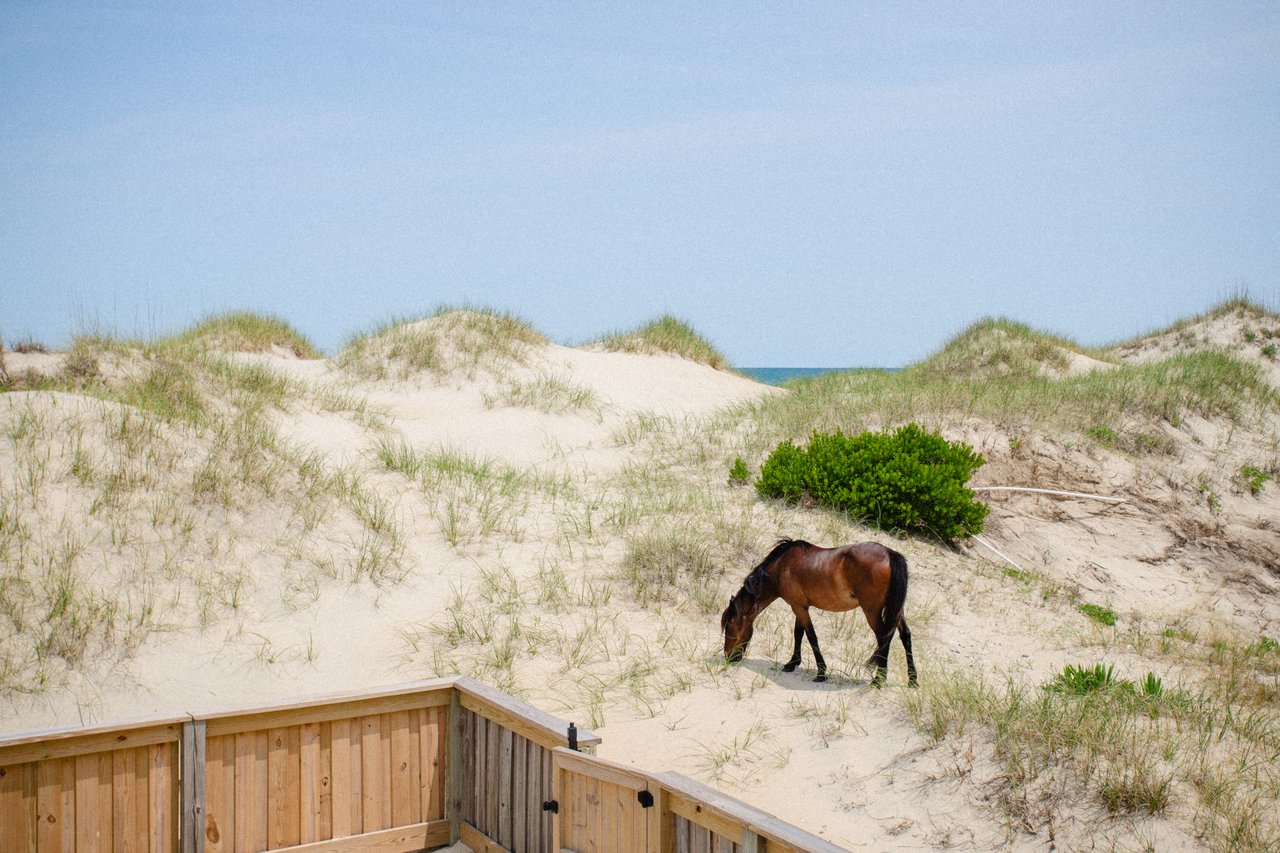
Currituck is also famous for the wild Banker horses. Local ordinances require you to keep distance and never feed them. Make sure your move-in materials include the county rules summarized by the Corolla Wild Horse Fund on this page.
Quick deal-breakers to check now
Stop and verify these items as soon as you are under contract:
- CBRS status and flood insurance: Run your parcel through the FWS CBRS Mapper. If the structure lies inside CBRS, NFIP flood insurance may be restricted. Price out private-market flood coverage immediately.
- Insurability for wind and homeowners: Get written quotes early. Confirm hurricane deductibles and any inspection or elevation-certificate requirements.
- Well and septic: Confirm septic permit, bedroom capacity, as-built, and recent maintenance; request well-completion records and water tests.
- Legal access and permits: Confirm deeded access or easements on a survey, and clarify how county access and beach-parking permits will be issued to you and guests.
- Lender acceptance: Make sure your lender will underwrite a beach-access property with private well and septic. Get any program-specific requirements in writing.
Step-by-step closing timeline
Follow this timeline to keep your Carova purchase on schedule.
Days 1–7: Set the foundation
- Retain a North Carolina closing attorney with Currituck experience. North Carolina uses an attorney-closing model that handles title, escrow, recording, and disbursement. If you are new to NC practice, this overview explains attorney-supervised closings.
- Order title commitment and request exceptions early. Ask for recorded easements and any restrictions related to access or utilities.
- Request seller documents: deed and legal description, recent survey, septic permits and maintenance records, well completion and water tests, elevation certificates, CAMA/building permits, insurance claim history, and any rental documents.
- Start your CBRS and flood review: check the parcel in the CBRS Mapper. Note the FEMA flood zone and plan for an elevation certificate if none exists.
- Insurance outreach: request homeowners, wind, and flood quotes in writing. If CBRS applies, ask for private flood options and underwriting requirements.
- Line up inspections and utility readiness: schedule general home, septic, and well inspections. Confirm that utilities can be turned on for inspections and appraisal.
- Clarify access permits: ask how current county access and parking permits will transfer and how guest or renter permits are issued.
Weeks 2–4: Inspect, verify, and underwrite
- Complete inspections: general home, septic (with as-built verification), well-water testing, roof condition, structural and pilings, electrical and mechanical, and termite/WDI.
- Septic and well documentation: North Carolina’s On-Site Water Protection program governs private wells and septic. Keep permits and test results organized. You can reference state guidance and permitting context here.
- Survey and access: if there is no recent survey, order one to confirm boundaries, setbacks, dune walkovers, and any recorded rights of way.
- Permitting history: request CAMA and county building permits and final inspections, especially for oceanfront or shoreline work.
- Appraisal timing: schedule the appraisal only when utilities are on and major inspection items are complete. Lenders often require working utilities at appraisal.
- Lender conditions: get the lender’s acceptance of beach access, private utilities, and any insurance conditions in writing. Plan time for any repair reinspections.
Last 7 days: Lock logistics and funds
- Bind insurance: confirm effective dates for homeowners, wind, and flood policies. Provide binders to your lender and attorney.
- Wire instructions: verify closing-wire instructions by calling your attorney’s office using a known, verified phone number. Never rely on email alone.
- Final walkthrough: complete it the day before closing if possible. Confirm repairs, utilities on, and property condition. Document with photos and communicate issues immediately to your attorney and the seller.
- Keys and permits: confirm how physical keys, codes, and any county access or parking permits will be transferred at or after recording.
- Vehicle readiness: prep your 4x4, recovery gear, and air down tires per county guidance. For tire pressure and lane rules, review Currituck’s beach-driving and parking guidance.
Closing day: Execute cleanly
- Attorney-supervised signing and recording: your NC closing attorney will handle funding, recording, and disbursement. Confirm who will release keys and when you have permission to take possession.
- Plan your beach drive: check tide windows and weather, fuel up before entering the sand, and coordinate a second vehicle if possible. Keep local towing numbers handy just in case.
First 30 days after closing: Stabilize ownership
- Confirm recording and policy-in-force: make sure your deed is recorded, and verify insurance policies, deductibles, and renewals.
- Register permits: set up new-owner county access and parking permits per current rules.
- Schedule maintenance: add septic pumping and filter changes to your calendar, and set reminders for roof and piling checks.
- Utilities and services: finalize electric, propane, and internet accounts. If using satellite or fixed wireless, test for remote monitoring functionality.
- Safety and emergency contacts: post local emergency numbers and know re-entry procedures for evacuations. Currituck fire and rescue resources are summarized here.
Due-diligence checklist: What to order
Use this list to keep your file complete and lender-ready.
Access and legal
- Recent boundary survey, recorded plat, and any access easements
- Written confirmation of permit transfer steps for county access and parking
- Practical driving plan: tide checks, ramp openings, staging area for vehicles
Flood, CBRS, and insurance
- CBRS check via the FWS Mapper; document results in your file
- FEMA flood zone and existing elevation certificate; plan for a new certificate if needed
- Written insurance quotes for homeowners, wind, and flood with deductibles and conditions
Wells, septic, and utilities
- Septic Improvement Permit, as-built drawing, maintenance or pump records
- Well completion report and current bacteriological and inorganic water tests
- Electric provider confirmation and any propane delivery requirements
Inspections and specialized reports
- General home and WDI/termite inspections
- Structural and piling review; roof condition or certification if required by the lender
- Septic inspection and load or dye test when recommended
- Electrical and mechanical safety checks
Title, survey, and permits
- Title commitment and exception review; payoff statements for encumbrances
- Updated boundary survey confirming setbacks, walkovers, and parking
- CAMA permits, county building permits, and final inspections or COs
Lender and appraisal
- Lender’s acceptance of beach access and private utilities in writing
- Appraisal scheduled after utilities are on and inspection items are addressed
- Repair reinspections, if required
Documents to request from the seller
- Deed, legal description, parcel number, and recent survey or as-built
- Title commitment and any lien payoff statements
- Septic permits, as-built, and maintenance records
- Well completion report and latest water-test results
- Elevation certificates and any LOMA/LOMR records
- CAMA and building permits, final inspections, and renovation permits
- Insurance claim history and current carrier contact
- Rental agreements and a summary of county access and beach-parking permit distribution
Practical checklists you can print
Access and vehicle prep
- 4x4 with appropriate tires, full-size spare, and jack that works on sand
- Recovery gear: tow straps, traction boards, shovel, tire gauge, portable air compressor
- County driving plan: speed limits, driving lanes, and low-tide window
- Fuel up before leaving pavement; share your ETA with your closing team
Inspection vendors to line up
- General home inspector experienced with coastal properties
- Septic contractor or inspector familiar with on-site systems
- Well contractor or lab for water testing
- Structural/piling specialist and roof inspector
- Electrician and HVAC technician for safety checks
Insurance toolkit
- Quotes: homeowners, wind, and flood, each in writing
- Underwriting requirements: elevation certificate, mitigation features, photos
- Carrier notes on renewals and hurricane deductibles
Lender and appraisal prep
- Written confirmation of program requirements
- Utilities on and verified for appraisal
- Repair plan and reinspection timeline, if applicable
Closing-week musts
- Wire instructions verified by phone with your attorney’s office
- Insurance binders delivered to attorney and lender
- Final walkthrough scheduled with photo documentation
- Keys, codes, and permits transfer plan finalized
Final thoughts
If you follow this checklist, your Carova closing will feel less like a leap of faith and more like a confident handoff. You will arrive with county permits in order, lender and insurance approvals nailed down, and a vehicle plan that respects the beach and the conditions. If you want a local partner who lives this process every day and can coordinate your inspections, permits, and logistics, connect with Jason Summerton for hands-on guidance from contract to keys.
FAQs
What makes Carova closings different from other OBX areas?
- Carova’s homes are accessed by beach and sand roads, most properties rely on private wells and septic, and county-issued access permits apply. Large portions are near or within CBRS, which can affect flood insurance availability. See county permit details and CBRS guidance from FWS in the links above.
How do I find out if my Carova property is in CBRS?
- Enter the parcel location in the U.S. Fish & Wildlife CBRS Mapper. If the structure falls inside CBRS, NFIP flood insurance may be restricted and private flood coverage could be needed.
Do I need a North Carolina closing attorney?
- Yes. North Carolina uses an attorney-closing model for residential real estate. Your attorney coordinates title, escrow, recording, and disbursement. A helpful overview of NC’s process is available here: attorney-supervised closings.
What should I verify for septic and well systems in Carova?
- Ask for the septic Improvement Permit and as-built, pump or maintenance records, the well completion report, and recent water-test results. North Carolina’s On-Site Water Protection program provides state-level guidance on private systems: program overview.
Where do I learn Carova’s beach-driving and permit rules?
- Review Currituck County’s Access Permit and Beach Parking page and the county’s beach-driving and parking guidance for tire pressure, speed, and lane rules: beach-driving guidance.