Thinking about carving out your own slice of Carova Beach but not sure whether to buy a vacant lot or an existing home? You are not alone. In a 4x4-only market with limited infrastructure, the right choice comes down to your timeline, risk tolerance, and how hands-on you want to be. This guide breaks down costs, permits, utilities, insurance, rental potential, and resale so you can move forward with clarity. Let’s dive in.
Carova 4x4 reality check
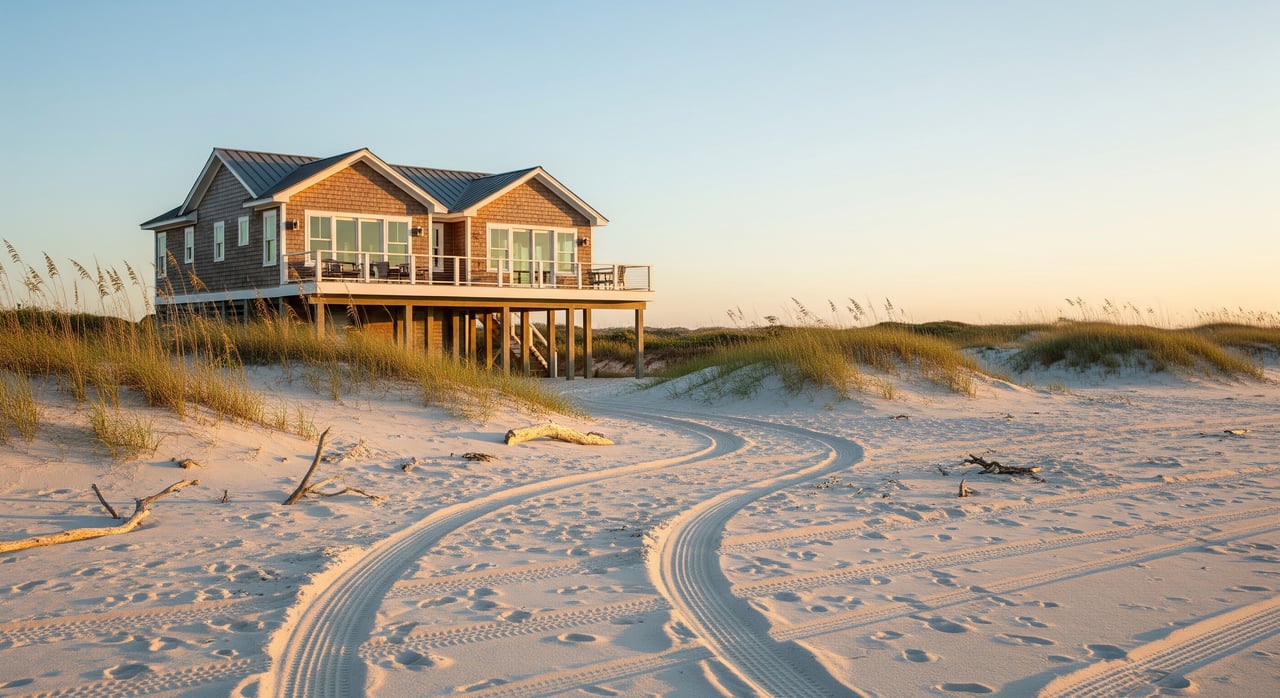
Carova is an off-road section of the Outer Banks that you reach by driving across the sand in a high-clearance 4x4. There are no paved public roads through much of the area, so access can be weather and tide dependent. Utilities are limited, which means private wells or cisterns, septic systems, propane, and sometimes solar or generators are common. Many parcels fall in FEMA flood zones, so elevated construction and coastal rules shape what you can build and how you insure it.
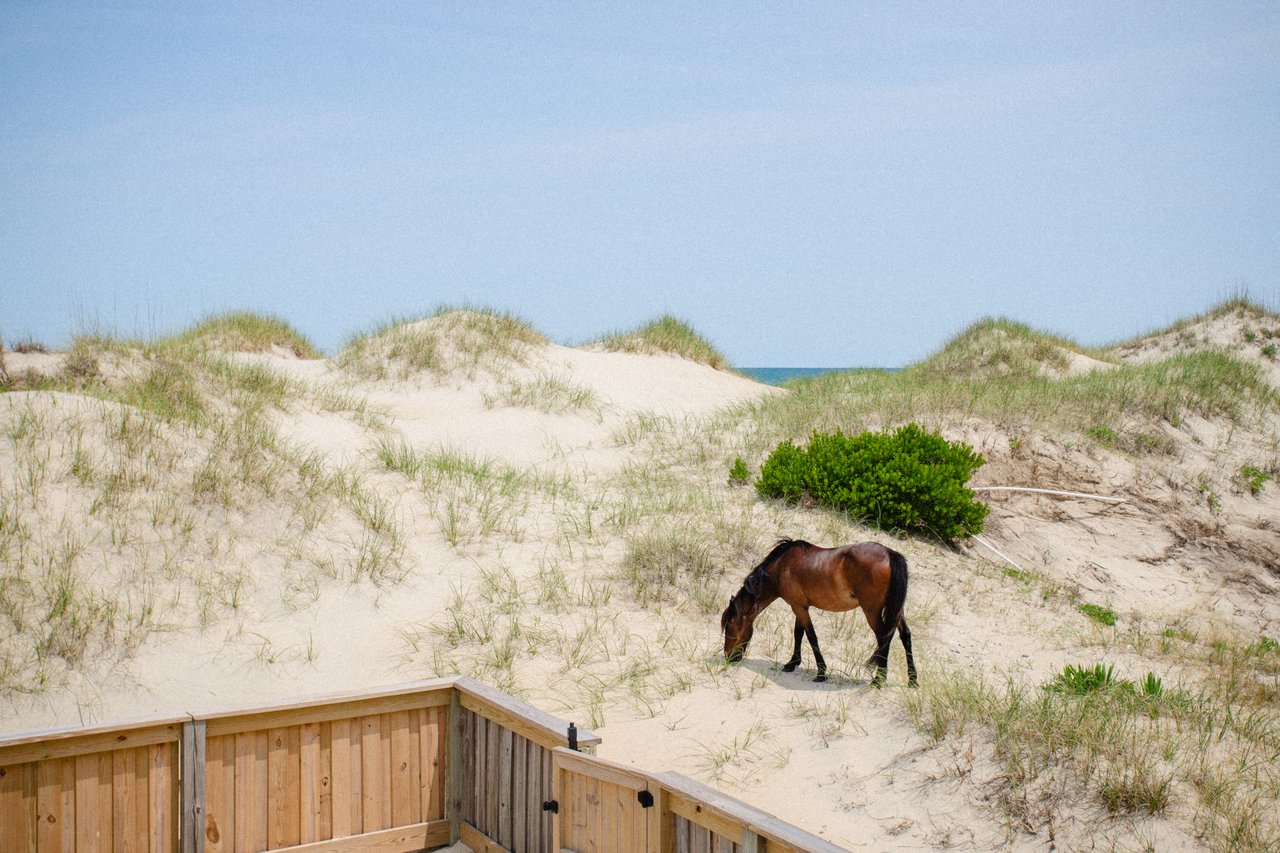
You should also plan for seasonal dynamics. Delivery schedules, construction timing, and even everyday errands are affected by tides and storms. The area’s wild Banker horses are part of the appeal, but you must follow local rules that prohibit feeding or harassing them.
Buying a vacant lot: what it takes
Buying a lot gives you full design control, but it adds steps and soft costs many buyers underestimate. Lot value is influenced by proximity to the ocean, dune protection lines, access paths, size, and whether nearby parcels are already developed. You will factor in surveys, permits, and staging logistics before the first piling goes in.
Post-purchase, expect site work and infrastructure costs. That can include clearing within local rules, a driveway or vehicle ramp, well or cistern, septic design and installation, elevated pile foundations, utility drops or off-grid systems, and erosion control. Construction access for heavy equipment is coordinated around tides and weather, which can impact both time and budget.
Lot timelines and approvals
Early due diligence like surveys and septic or well feasibility can take weeks to a few months. Building, septic, and possible coastal permits can add several weeks to many months based on project scope and flood zone requirements. Construction itself typically takes several months to a year or longer, influenced by contractor availability and seasonal limits.
Lot due diligence checklist
- Confirm legal access and assess the condition of the beach route to the property.
- Order a property survey to verify boundaries, buildable area, and setbacks.
- Obtain soils and septic feasibility testing, and explore alternative systems if needed.
- Request topographic and elevation data and consult FEMA flood maps for your zone and base flood elevation.
- Check for any past approvals or denials, including coastal permit history.
- Speak with Currituck County Planning & Inspections about zoning, dune protection, stormwater, and building standards.
- Consult the county health department for septic and well permitting.
- Get estimates from builders experienced with Outer Banks pile foundations and 4x4 logistics.
- Evaluate utilities: electric proximity, well or cistern options, propane delivery, and off-grid feasibility.
- Review any covenants and rental rules, and confirm lending options if financing.
Buying an existing home: what to expect
Purchasing a home lets you use or rent the property sooner. You bypass many early-stage soft costs and permitting steps, although upgrades or retrofits may still be needed to meet current coastal standards. You should budget for inspections, potential repairs, and insurance workups based on the home’s elevation and flood zone.
Access logistics still matter for maintenance and operations. Deliveries, repairs, and turnovers require teams comfortable with 4x4-only routes, so plan for longer lead times and potentially higher service costs than in towns with paved roads.
Home due diligence checklist
- Schedule a coastal-focused inspection of pilings, framing, roof, windows, HVAC, electrical, and plumbing.
- Verify septic permits, location, and serviceability, plus well or cistern water quality.
- Obtain or commission an elevation certificate to clarify flood insurance needs.
- Review past permits and confirm compliance with local and FEMA standards.
- Ask about storm history and any insurance claims or repairs.
- If you plan to rent, review booking history, management setup, and any rental restrictions.
- Confirm access rights and easements during title review.
Costs and timelines at a glance
- Vacant lot: Lower entry price is common, but total project cost rises with site work, utilities, permits, engineered plans, and extended timelines. Expect more variables and time from contract to move-in.
- Existing home: Higher upfront purchase price, but faster occupancy and rental potential. Budget for inspections, possible retrofits, and ongoing coastal maintenance.
Permits, flood zones, and coastal rules
You will navigate county building permits and inspections, septic and well approvals, and possibly state coastal permits depending on location and scope. FEMA flood zones like AE and VE typically require elevated living areas and engineered foundations. Projects in higher-velocity coastal zones often need more robust designs and can trigger additional review or mitigation like dune stabilization.
Permitting and compliance affect both cost and time. An elevation certificate is also critical, since it informs your flood insurance premium and any needed design changes.
Utilities and operating reality
Most properties rely on private water and wastewater systems. Soil conditions can limit conventional septic, so alternate systems may be required. Electric service varies by location; some lots face expensive extensions or choose off-grid setups with solar, batteries, and generators. Propane is common for appliances and must be delivered on 4x4 routes.
Day-to-day operating costs can be higher than in paved communities. Factor in longer trips for supplies, higher delivery fees, trash disposal plans, and preparation for storm repairs.
Insurance and financing
If you finance, flood insurance is usually required when the property is in a mapped floodplain. Premiums depend on flood zone, base flood elevation, and construction details. Wind and hurricane coverage is a major cost driver and may come from specialized insurers or state wind pools.
Lenders typically want proof of elevation, septic and well viability, and code compliance. Construction loans for raw lots in 4x4 areas can be more limited, with higher down payments and stricter documentation. Improved properties are often easier to finance than raw land.
Rental potential and management
Carova attracts guests who want privacy, off-road adventure, and a rugged beach experience with niche appeal. Demand is seasonal, with summer as the peak. Rates and occupancy are typically more variable than in more developed Outer Banks towns.
Operations require managers who understand 4x4 logistics, cleaning and turnover timelines, and emergency response in a remote setting. Budget for higher travel time, staging needs, and storm-related maintenance.
Resale and long-term flexibility
Lots with clear legal access and proximity to the ocean tend to hold value well. However, uncertain access or difficult dune crossings can deter future buyers. Existing homes built to modern coastal standards and properly elevated generally resell more easily than older, nonconforming structures.
Buying a lot gives you customization but adds time and uncertainty. Buying an existing home delivers immediate use and potential income, though you trade some design freedom and may inherit upgrade needs.
Which path fits you?
Choose a vacant lot if you want full design control, are comfortable with multi-step permitting and logistics, and are prepared to fund site work, utilities, and a longer build timeline.
Choose an existing home if you want faster occupancy or rental income, prefer more predictable near-term cash flow, and want financing options that are generally more accessible than construction loans.
Consider a hybrid if you find a lot with existing infrastructure or a fixer where utilities and access are already in place. This can reduce both risk and time to use.
Beach driving, wildlife, and seasons
Plan your beach driving around tides and posted access rules, and avoid crossing protected dunes. Respect local guidance on the wild Banker horses; enjoy them from a distance and never feed them. During storm seasons, evacuation planning is critical, and emergency response times can be longer than in town.
Ready to compare specific properties and map out your plan for permits, builders, financing, and rental operations? Connect with a local 4x4 specialist who can coordinate the details end to end. Reach out to Jason Summerton to get started.
FAQs
Can I drive any vehicle to Carova Beach properties?
- No. High-clearance 4x4 vehicles are required, and conditions like tides and weather can affect safe access.
Are all Carova Beach lots buildable?
- No. Many are, but wetlands, dune vegetation, or other constraints can limit buildability. Always verify with surveys, septic feasibility, and county planners.
How long does a new build usually take in Carova?
- From contract to move-in often spans several months to over a year due to due diligence, permitting, logistics, and seasonal constraints.
Is flood insurance required and costly in Carova?
- If the property is in a mapped flood zone and financed, flood insurance is typically required. Premiums vary by zone, elevation, and construction type.
Will my Carova home rent year-round?
- Expect seasonal peaks, especially in summer. Year-round demand is more limited than in more developed Outer Banks towns.
Do banks finance raw Carova lots?
- Some lenders do, but options are more limited than for improved properties. Construction loans often require higher down payments and experienced builders.